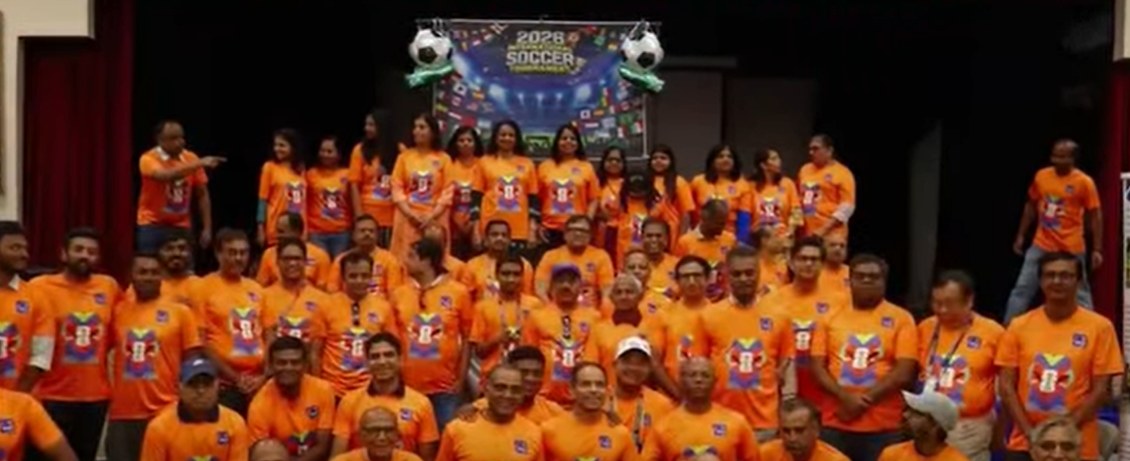
| Shri Vishwa Niketan / Fortnightly digest | For private circulation |
Samvad संवाद 16 August 2026 · Shravana Shukla 4, Vik. Samvat 2083 · Yugabda 5128 Issue SM8010 · 19 dispatches from 10 countries | | | | पर्व Parv · Festival | | 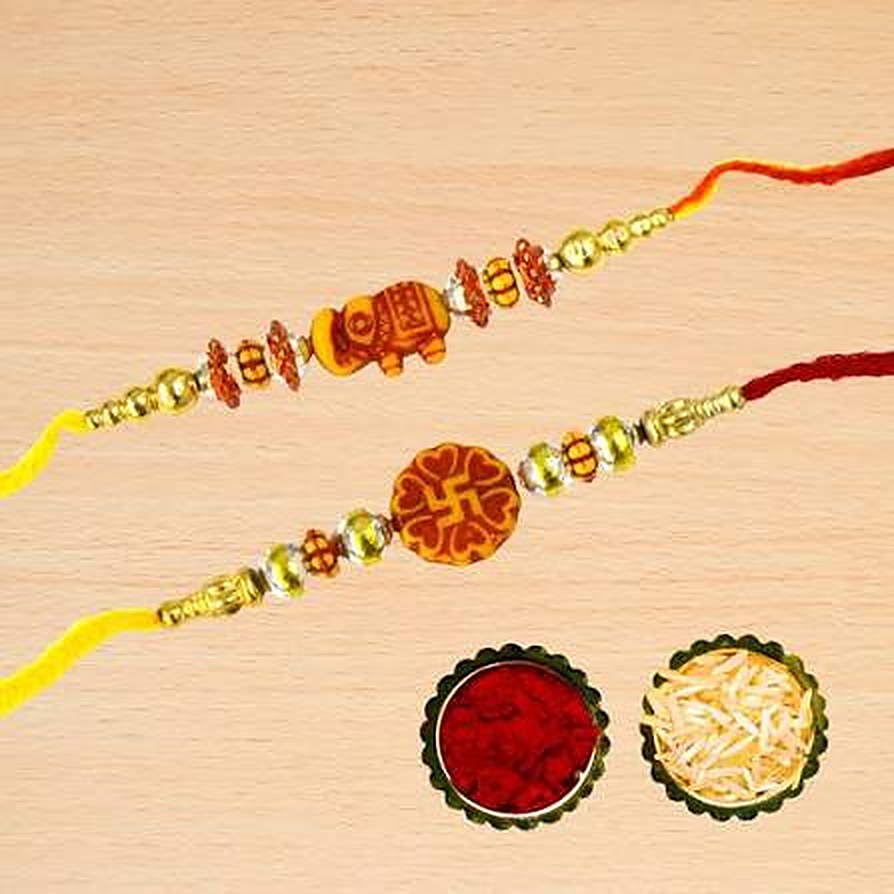 | | Rakhi Poornima · Nariyal Poornima · Kajari Poornima · Gamha Purnima | Across Bharat · Shravan Poornima, 29 August · No. 01 Raksha Bandhan Falling on Shravan Poornima, the festival is also called Rakhi Poornima, Nariyal Poornima and Kajari Poornima. At its heart lies a single idea — protection — but it is celebrated in markedly different ways across Bharat. In Maharashtra, the Koli fishing community observes it alongside Narali Poornima, offering prayers to Varuna, devata of the sea, and casting coconuts into the water to invoke his blessings. In West Bengal the day is Jhulan Purnima, marked by the puja of Krishna and Radha. In Odisha it is Gamha Purnima, the birthday of Bhagwan Balabhadra, the Devata of farming — and there, farmers tie rakhis to their cattle. | | | संघ Sangh · Organisation | | 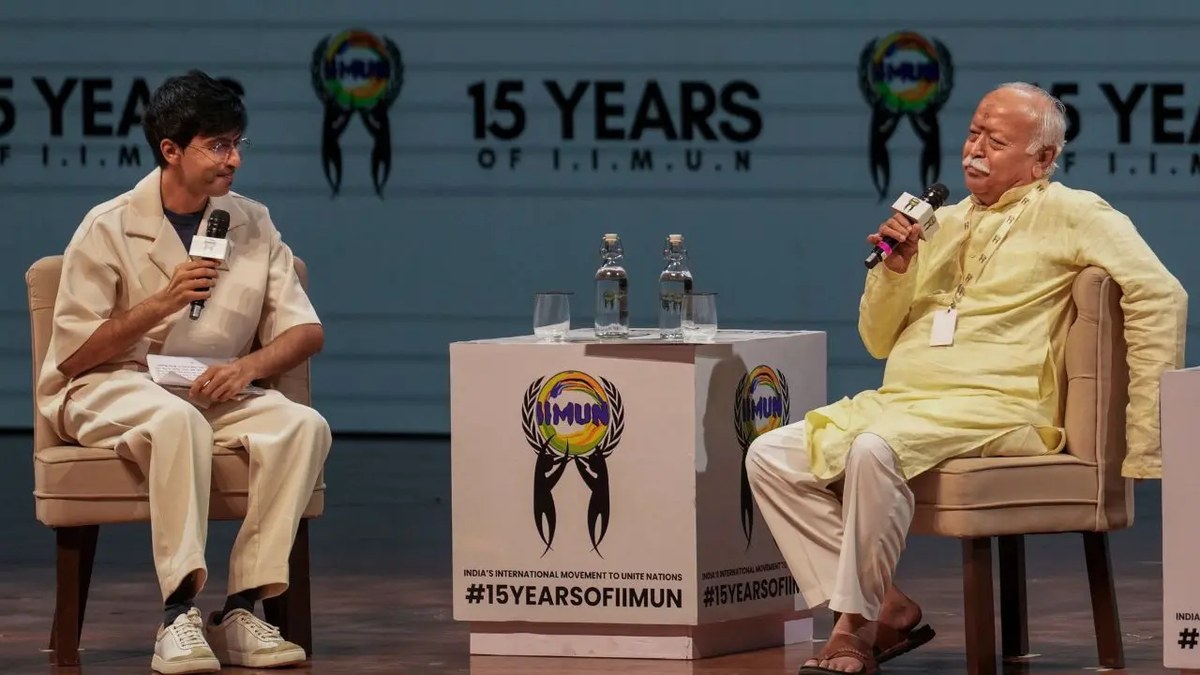 | | Dr Mohan Bhagwat in conversation with Gen Z and Gen Alpha students · I.I.M.U.N. 15th anniversary, Nita Mukesh Ambani Cultural Centre, Mumbai | Mumbai · 6 August · No. 02 The Role of Youth in Uniting the World: The Bharatiya Prespective Rashtriya Swayamsevak Sangh Sarsanghchalak Dr Mohan Bhagwat spent an evening in conversation with Gen Z and Gen Alpha students at the Nita Mukesh Ambani Cultural Centre, marking the fifteenth anniversary of Bharat's International Movement to Unite Nations (I.I.M.U.N.). The event was held under the theme ‘The Role of Youth in Uniting the World: The Bharatiya Perspective’. More than 2,000 students aged 15 to 24, drawn from over 100 cities, filled the hall. The questions ranged wide — protest culture, education, what social media is doing to young minds, LGBTQ issues, women's empowerment, environmental conservation, and the qualities a developed Bharat will ask of its leaders. On protest, Dr Bhagwat held that it is a legitimate instrument in a democracy, but one to be exercised with wisdom and responsibility, and never in a way that leads to division. He urged students to share information that is positive and socially beneficial, and to rely only on credible sources. On LGBTQ issues, he said members of the community are an integral part of society and deserve dignity and respect, while adding that any fundamental alteration to the institution of marriage carries wider social implications — society, in his view, must be sensitised first, since laws evolve in accordance with a society's needs and values. | “Protest is legitimate in a democracy — but it must be exercised with wisdom and responsibility, and never lead to divisions.” |
▸ Watch the full recording | | 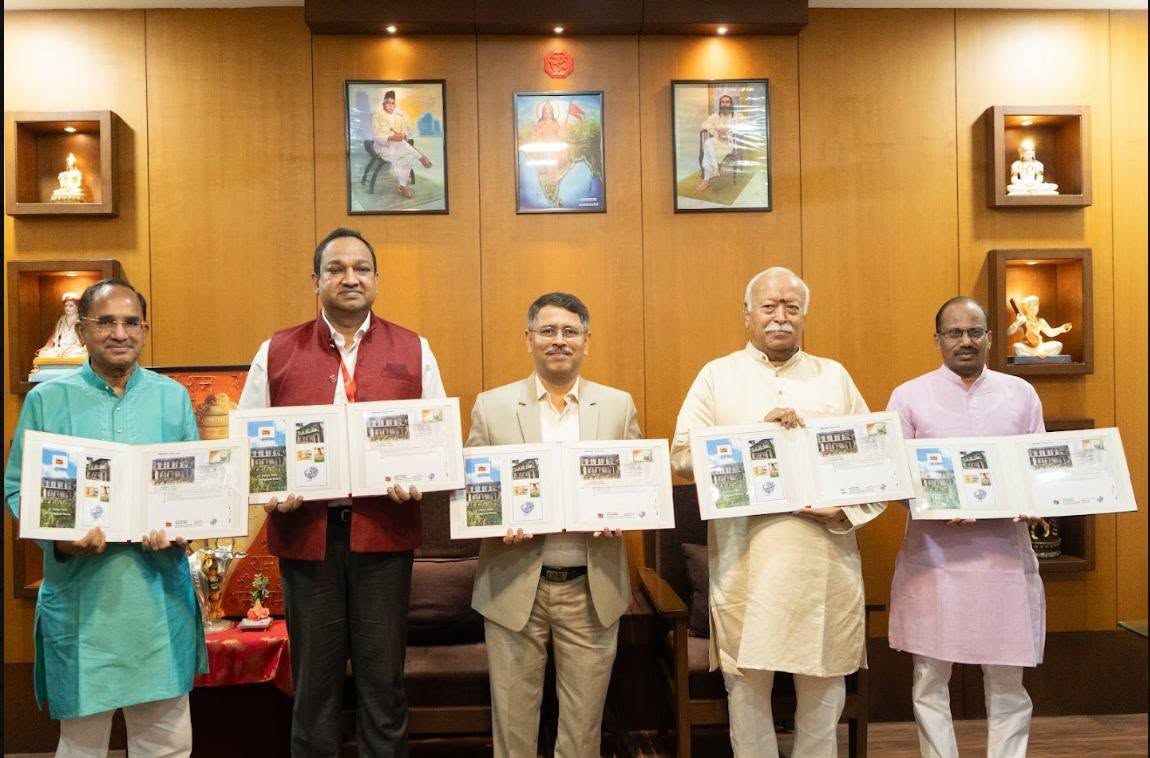 | Nagpur · No. 03 A Special Cover for the house where the Sangh began The Department of Posts, Nagpur Division, released a Special Cover, an information brochure and a Permanent Pictorial Cancellation commemorating the historic residence of Dr Keshav Baliram Hedgewar. Dr Mohan Bhagwat thanked the Department for recognising the residence's historical significance, and noted that the decision reflected the goodwill of society towards the organisation — one that would help spread awareness of the values and ideals associated with Dr Hedgewar and the RSS. | | 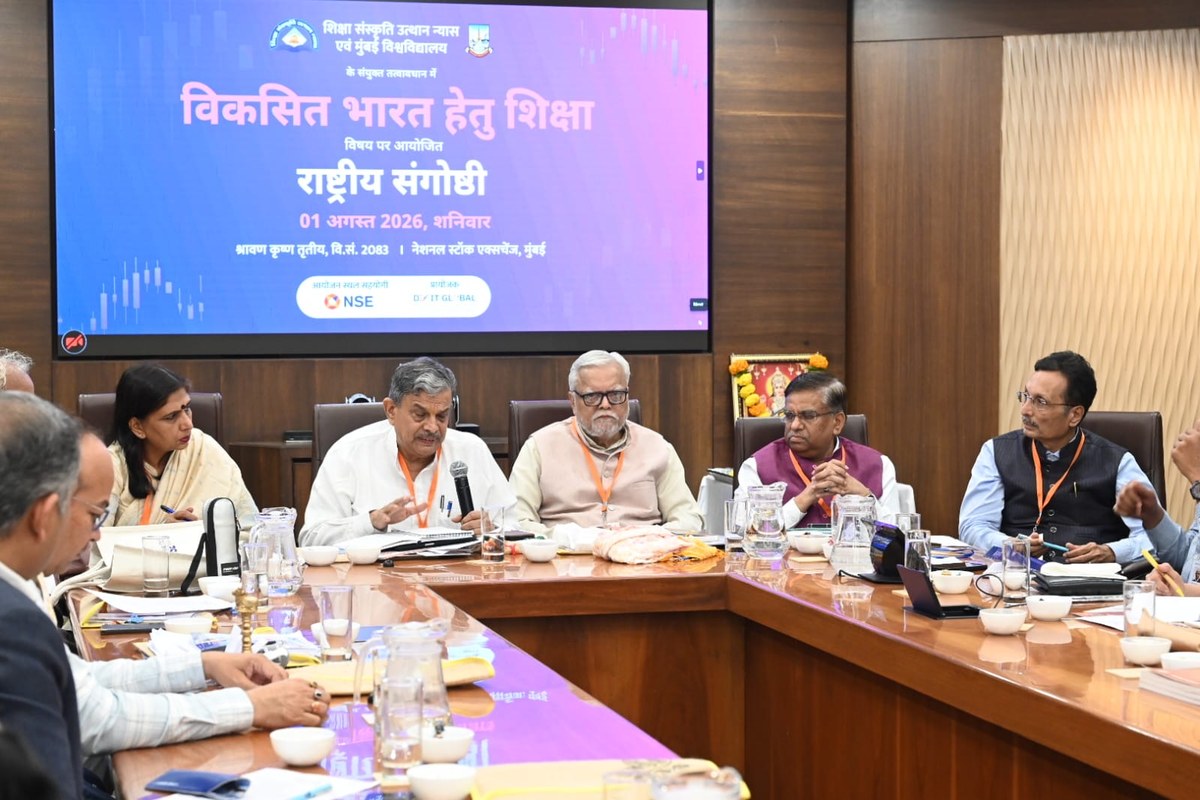 | Mumbai · 1 August · No. 04 Education for Viksit Bharat: the Kochi dialogue continues Shiksha Sanskriti Utthan Nyas and the University of Mumbai jointly convened the National Symposium on Education for Viksit Bharat at the National Stock Exchange, carrying forward the national dialogue begun at last year's Gyan Sabha in Kochi. Selected institutions from across Bharat presented innovative models of how higher education can serve the Viksit Bharat vision; later sessions turned to collaboration between education, research, industry and society. Addressing educationists, industry leaders, policymakers, vice-chancellors and ministers, Sarkaryavah Dattatreya Hosabale said education should prepare students for the holistic development of life — balancing material progress with ethical, cultural and spiritual values. | | Institutions must keep evolving how they teach to meet a changing generation, while remaining rooted in Bharat's civilizational wisdom. |
| | 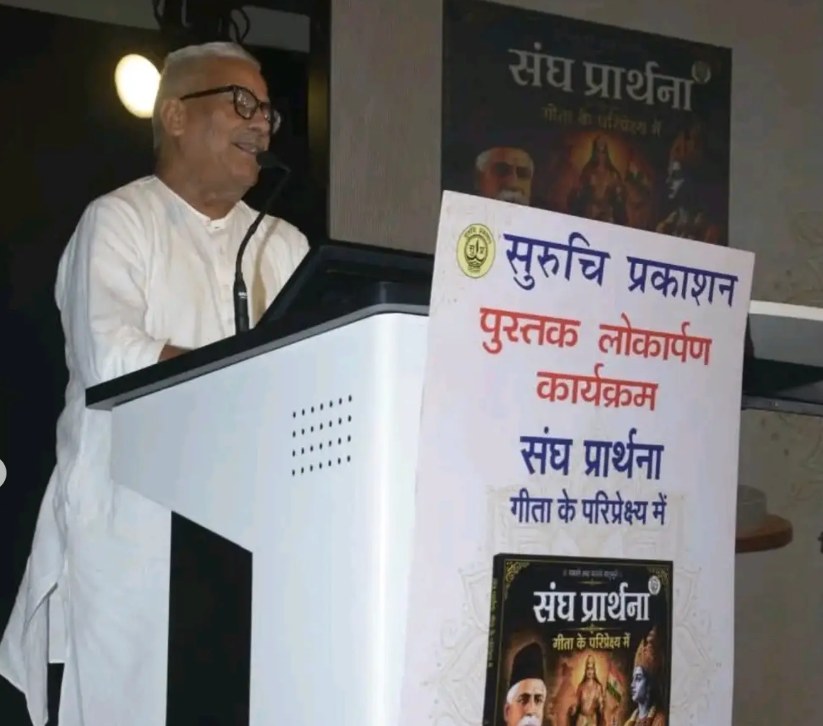 | New Delhi · 3 August · No. 05 The Sangh Prarthana, read through the Gita 'Sangh Prarthana: Gita Ke Pariprekshay Mein', written by Dr Markandeya Ahuja and published by Suruchi Prakashan, was formally launched in Delhi. The book examines the Sangh's prayer through the philosophical framework of the Bhagavad Gita. Sah-Sarkaryavah Dr Krishna Gopal delivered the keynote, reflecting on the Gita's enduring relevance and its central role in shaping Bharat's intellectual and cultural traditions — a distinctive philosophical vision, he said, rooted in duty and selfless action. Swami Gyananand Maharaj, founder of GIEO Gita, offered his blessings and spiritual reflections. 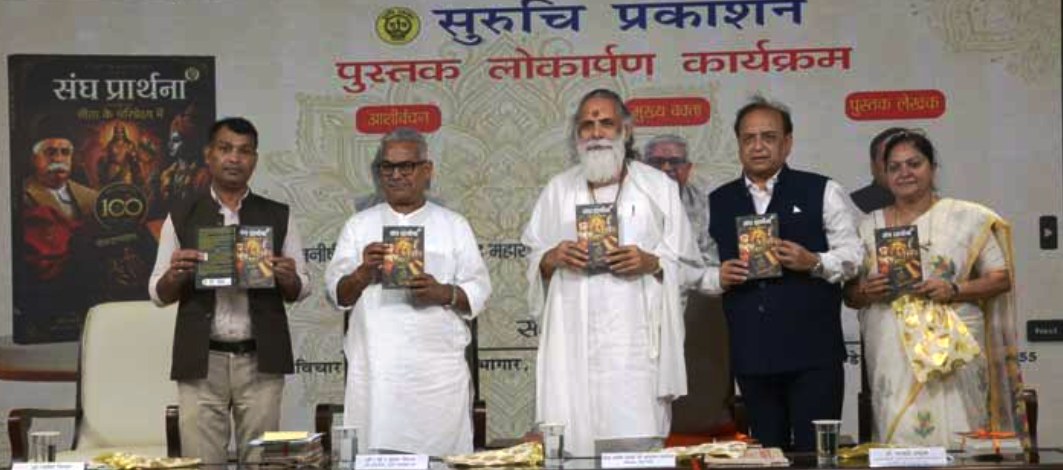 | | 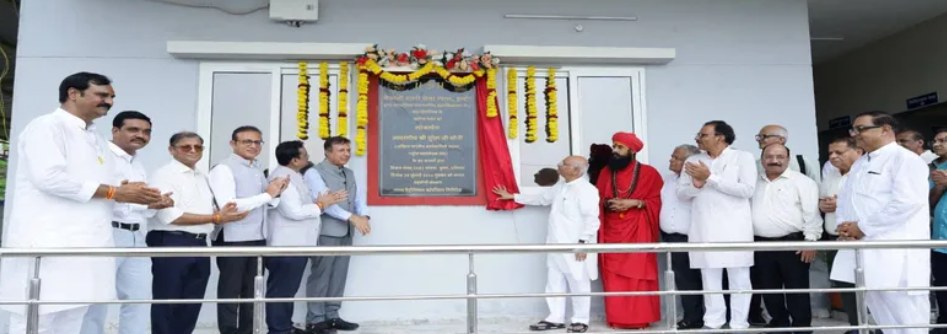 | Bada Ghosaliya, Malwa · No. 06 One campus for skills, farming and healthcare Akhil Bharatiya Karyakarini Sadasya Suresh Soni inaugurated the Skill Development and Healthcare Centre run by Seva Bharati Malwa Prant. The centre trains youth and women towards self-employment, and teaches farmers organic farming, vermicomposting, seed banking and modern agricultural technique. The healthcare centre on the same campus brings regular services, specialist guidance and health awareness programmes to villagers from the tribal region. Students living in the hostel receive personality development and vocational training alongside formal education. Guests were welcomed in accordance with traditional Janjatiya custom. | | Development of the Janjatiya community can be achieved through integrated efforts in education, values, healthcare and self-reliance. — Suresh Soni |
| | | राष्ट्र Rashtra · Bharat | | 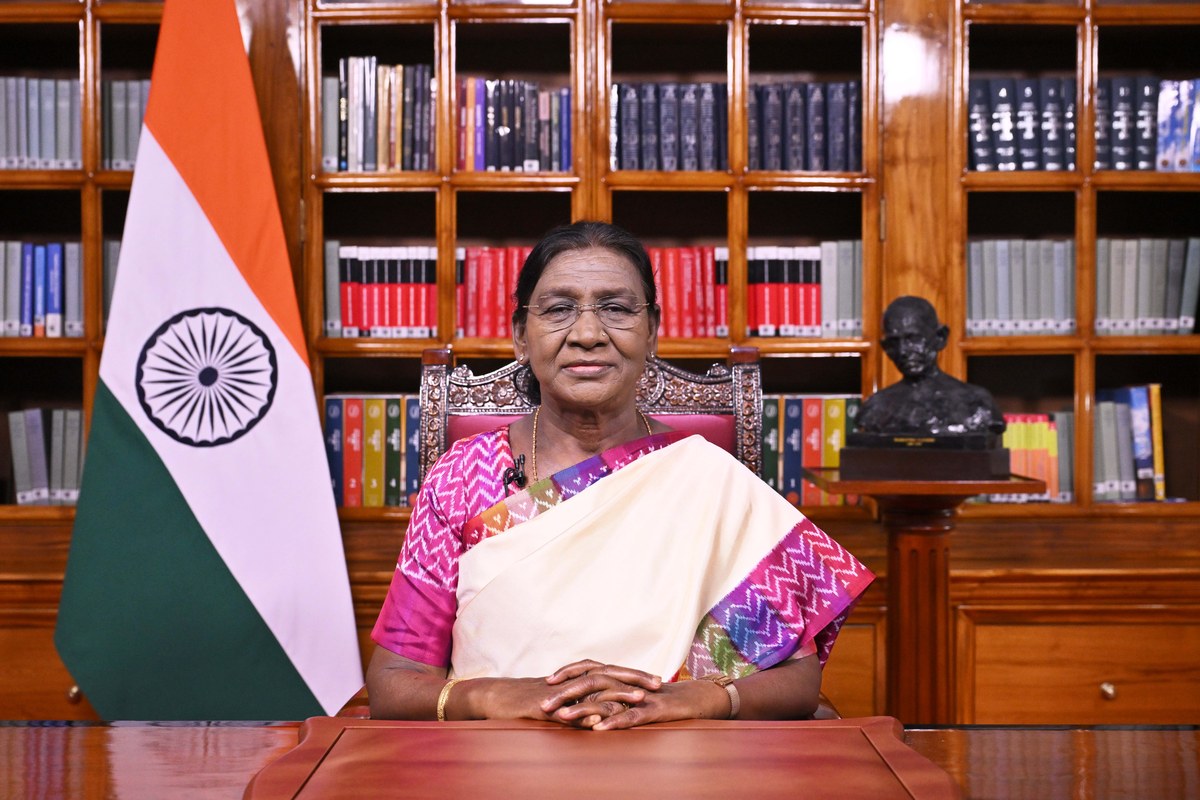 | New Delhi · 14 August · No. 07 Rashtrapati Murmu's address on the eve of Independence Day Broadcast across Akashvani and Doordarshan, the address turned on youth empowerment, the goal of a developed nation, and tribute to the freedom fighters. Marking Vibhajan Vibheeshika Smriti Divas on 14 August, she recalled the lakhs of Bharatiyas who lost their lives in the violence of partition or endured the tragedy of displacement. She acknowledged the ongoing 150th-year commemorations of the national song Vande Mataram and reaffirmed the resolve to build a fully developed, self-reliant Bharat by the centenary of independence, guided by Antyodaya — reaching the last person. While moving ahead on modern development, she said, Bharat is also playing a leading role globally in protecting the environment. Calling students and young citizens the core architects of the nation's future, she pointed to how many are embracing job creation as they pursue self-employment, and closed with the belief that with the participation of society and the efforts of government, every village, town and household will grow healthier, happier and more prosperous. ▸ Watch the full recording | |  | Chandipur, Odisha · 6 August · No. 08 Agni-4 test-fired from the Integrated Test Range The nuclear-capable ballistic missile was launched under the Strategic Forces Command, with the Ministry of Defence stating that all mission objectives and operational parameters were validated. Defence Minister Rajnath Singh congratulated the Strategic Forces Command and the DRDO. Agni-4 is a two-stage, solid-fuel missile launched from a road-mobile launcher built for mobility and survivability. Its advanced re-entry heat shield holds external temperatures above 3,000°C while keeping internal electronics below 50°C. | 4,000km strike range | 1,000kg payload | 20m length |
| | New York & New Jersey · 11 August · No. 09 Two American states proclaim August 15 as Bharat's Independence Day New York and New Jersey have officially proclaimed August 15 as Bharat's Independence Day. The proclamations highlight Bharat's historic struggle for independence and its commitment to self-determination, self-governance and democratic values, and record the Bharatiya community's contribution to the American economy. Governor Kathy Hochul and Governor Mikie Sherrill issued the proclamations, with the Consulate General of Bharat in New York announcing the recognition on August 11. 
| | | विश्व Vishwa · Bharatiya Diaspora | | 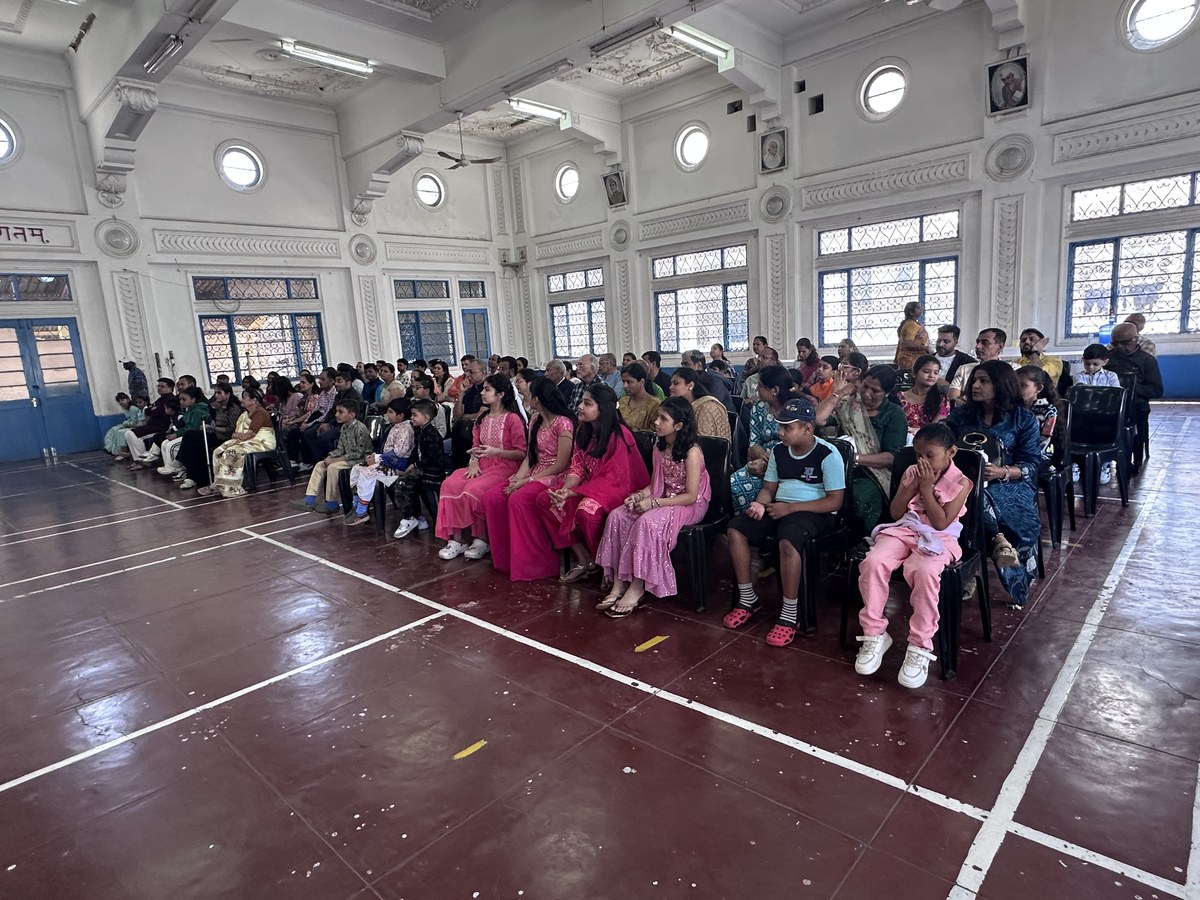 | Maputo, Mozambique · 2 August · No. 10 Guru Purnima at the Salão Nobre Hindu Swayamsevak Sangh (HSS) Mozambique celebrated Guru Purnima at the Salão Nobre of the Comunidade Hindu de Maputo, bringing together around 150 participants — families, community members and well-wishers. The programme carried a presentation on the significance of the day, a cultural skit and games, with reflections on the timeless role of the Guru as the light that dispels ignorance and turns people towards knowledge, righteousness, discipline and selfless service. The event was graced by Yashvin Parshotam, President of the Hindu Community of Maputo, and Nirav Shingala, representing Lohana Seva Samaj. 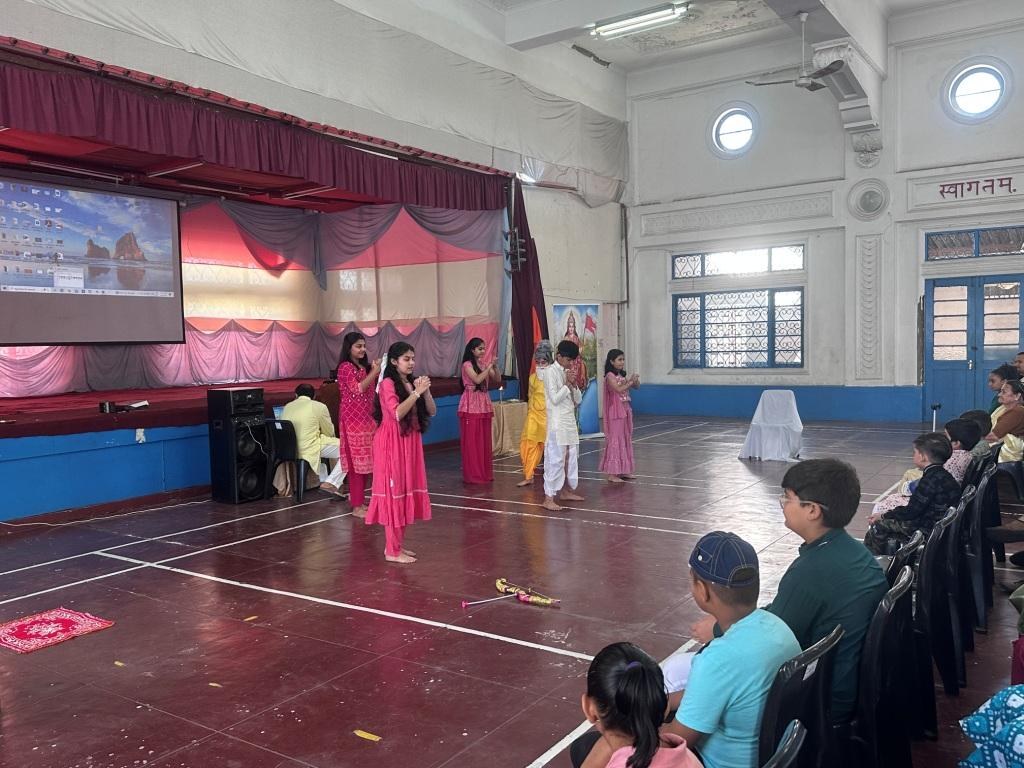 | | 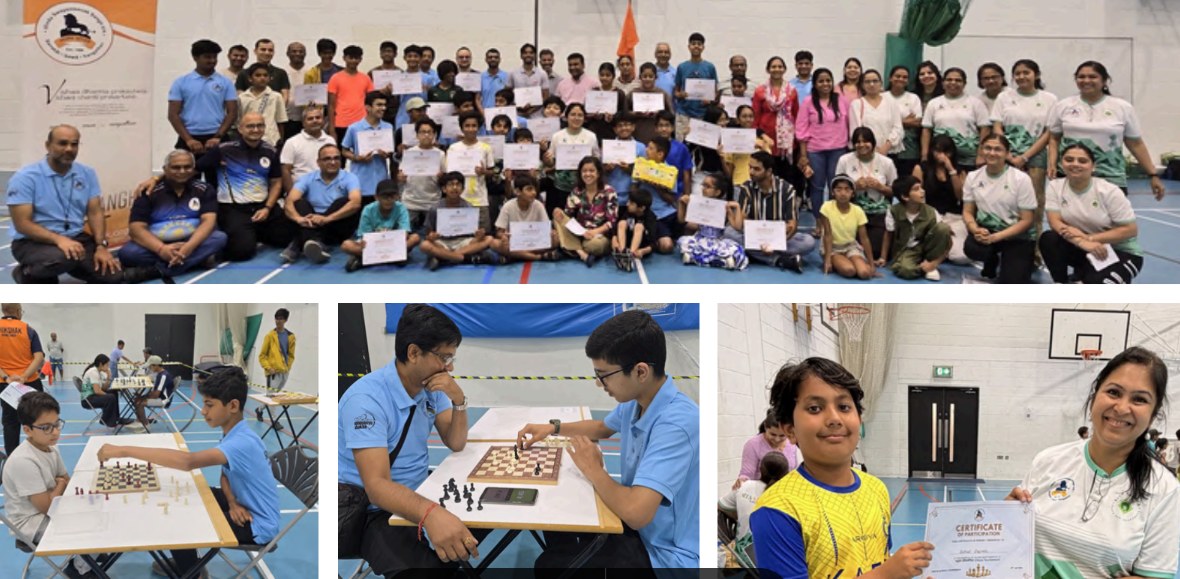 | Slough, UK · 19 July · No. 11 Chaturanga Pratiyogita: 38 players, five rounds, one new tradition Slough Nagar held HSS UK's first-ever chess tournament. Most of the participants were beginners, and every one of them played five rounds in a 10|2 time control, on physical boards with digital clocks, with pairings and rankings run on chesspairings.org. At the bauddhik after the tournament, Sanghchalak of West London Bharat Mistry spoke on the place of khel in personality development and traced the history of chess, a game that originated in Bharat — and how it builds concentration, strategic thinking, patience, discipline and sound decision-making. Many asked for the Pratiyogita to become an annual fixture. | 38participants | 5rounds each | 10|2time control |
| | London, UK · No. 12 Kesari Shakha at the Palace of Westminster Kishores and kishories of the Kesari Shakha, Cheltenham chapter, visited the UK Parliament and the Palace of Westminster — a unique opportunity to see the heart of the country's democracy and learn how the institution works. The shakha explored both chambers, the House of Lords and the House of Commons. The visit began at the statue of Basaveshwara on Albert Embankment. The 12th-century Bharatiya philosopher, poet and social reformer set up the Anubhava Mantapa in his era — often described as one of the world's earliest forums for democratic and spiritual discussion. | | 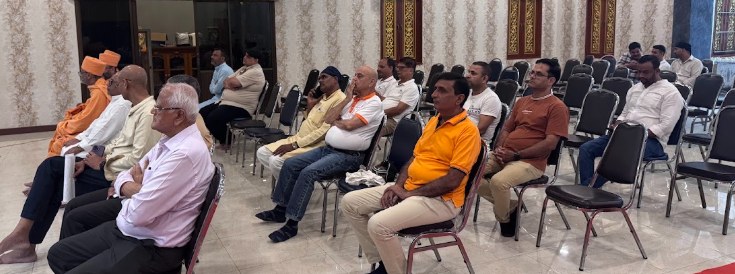 | Bangkok, Thailand · 26 July · No. 13 46,350 ml, given by Bharatiya, Thai and Burmese donors together The Seva Vibhag of HSS Thailand, with Hindu Dharm Sabha Shri Vishnu Mandir and the Faculty of Medicine at Vajira Hospital, held a Mega Blood Donation Camp at the Shri Vishnu Mandir Bhavan Sabha Hall — organised in connection with the 74th birthday anniversary of His Majesty King Ram X and Hindu Sanghatan Divas. Chief guests included Umesh Pandey, former Minister of the Thai Government; Sarabjeet Singh Sachdev, philanthropist and businessman; and Satish Pawa of Religions for Peace IRC Thailand. Swayamsevaks and sevikas handled registration and forms through the day. More than a drive, it became a symbol of the social and cultural relationship between Bharat and Thailand, bringing together the values of Bharatiya Sanatan culture and Thai culture. 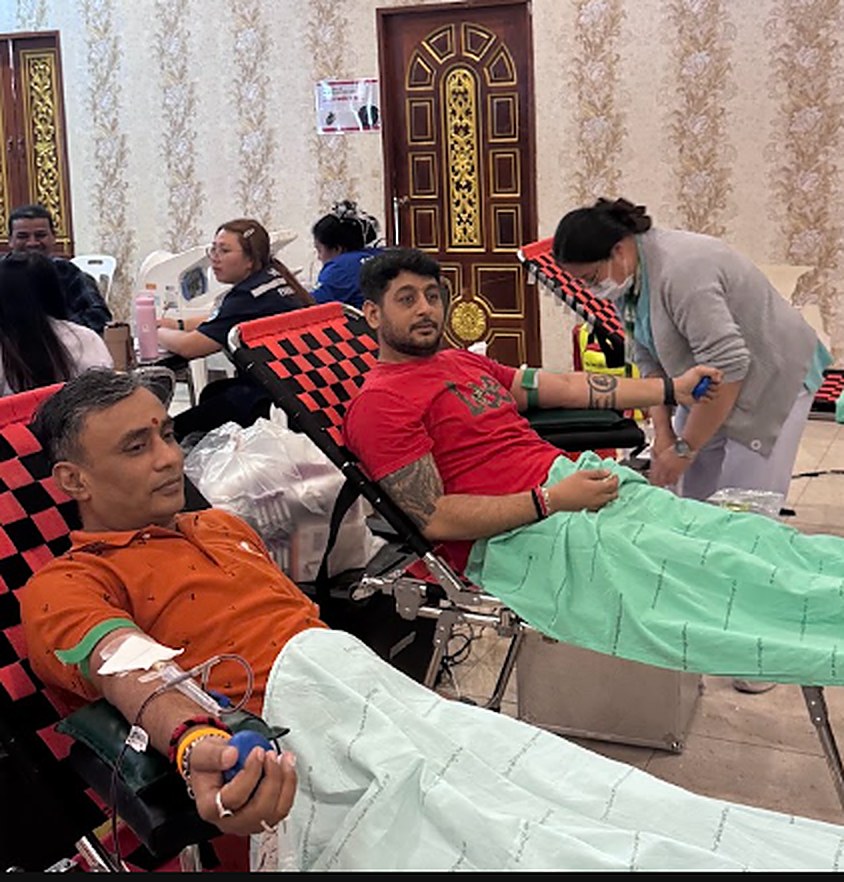 | 150+donors | 46,350ml collected |
| | New South Wales, Australia · 25–26 July · No. 14 HSS Australia's largest plantation drive yet HSS Australia joined the National Tree Plantation Drive across NSW, mobilising students, staff and community volunteers over two days in multiple suburbs. Day one began in Bankstown, focused on shade-giving and climate-resilient native species suited to the region; day two expanded significantly, with plantation across five major locations. 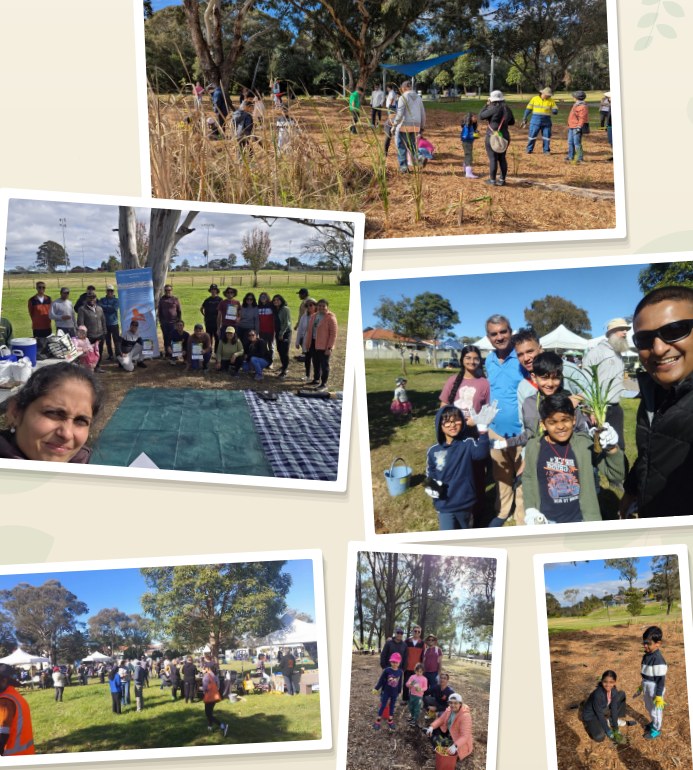 | 1,500+saplings | 150+volunteers | 5locations |
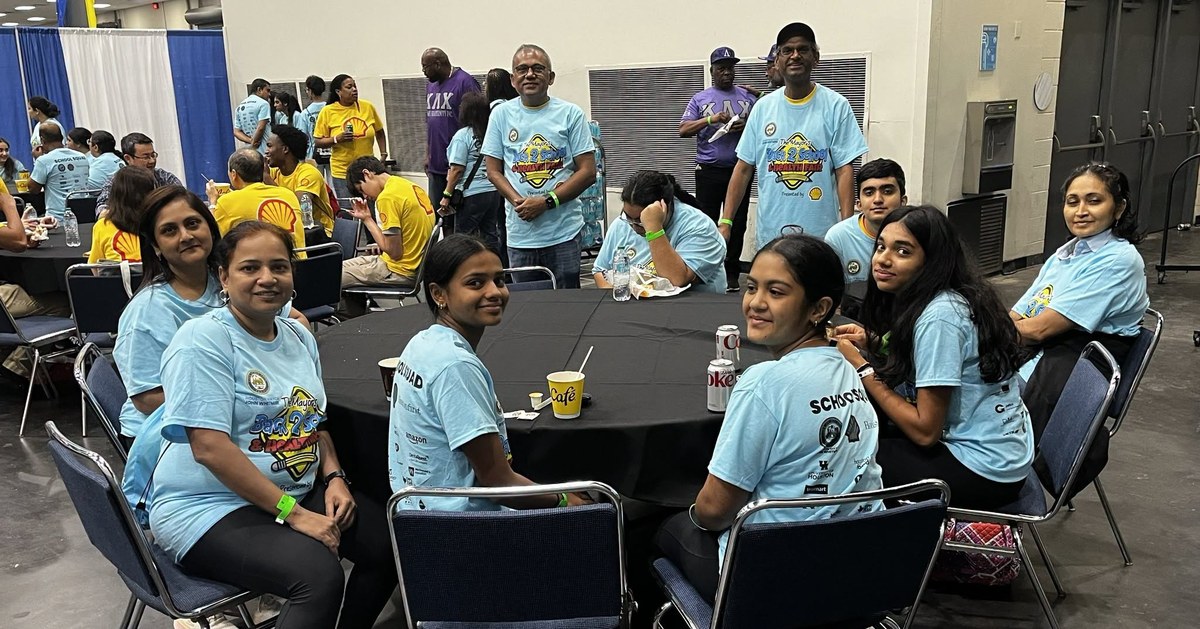
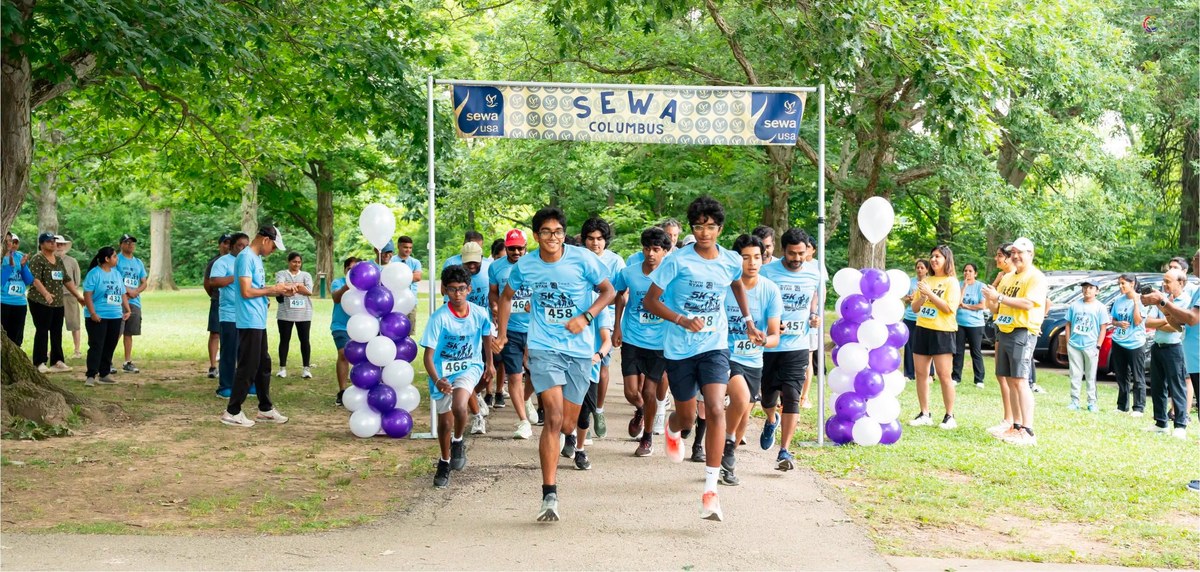
| | Houston · Milwaukee · Columbus · No. 15 Sewa International USA: a World Cup, a festival, an awards night and a 5K run Sewa International's volunteer initiative supporting FIFA World Cup operations in Houston was featured by both PR Newswire and Yahoo Finance. Volunteers worked one of the world's biggest sporting events and helped raise funds for Sewa's flagship Family Services program. More than 75 Houston volunteers served two shifts at the City of Houston Back-to-School Festival, welcoming children and families. In Milwaukee, for the fifth consecutive year, the chapter partnered with GE Healthcare to honour 24 outstanding students at Glen Hills Middle School across six subject areas, with certificates, medals and cash awards. And in Columbus, 107 enthusiastic runners and walkers with 20 volunteers of the Sewa International USA Columbus Chapter took part in the 5K Run at Highbanks Park. | | 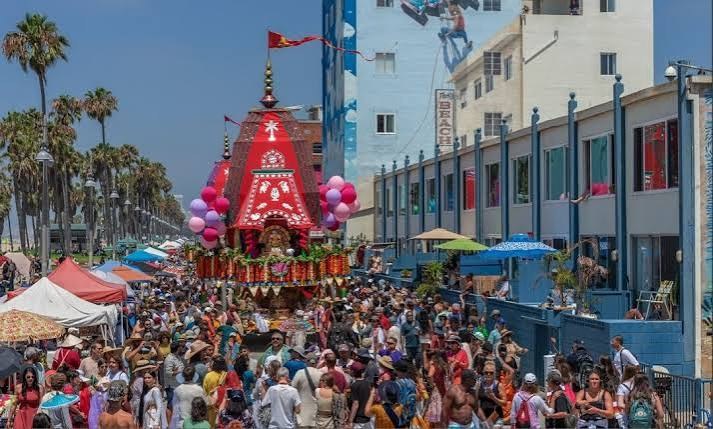 | Los Angeles, USA · 2 August · No. 16 Fifty years of the Los Angeles Ratha-yatra Thousands lined the streets of Santa Monica and Venice as ISKCON New Dwaraka celebrated the Golden Jubilee of its annual Ratha-yatra — one of Southern California's longest-running Bharatiya cultural festivals. Priests under the direction of Vaisesika Dasa led the procession chanting Vedic hymns from the Brahma-Samhita; a 12-member marching band, groups of traditional dancers and kirtan singers preceded the three chariots carrying Bhagwan Jagannatha, Bhagwan Baladeva and Devi Subhadra. The one-mile parade ended at the Venice Boardwalk with a day-long festival, and a historical slideshow tracing the origins of the Ratha-yatra back to its inaugural 1977 celebration. The California Legislature presented ISKCON with a Certificate of Recognition, and Santa Monica designated the 2026 Ratha-yatra a 'Signature Event', waiving all pending permit fees. | | Bradford, UK · 5 August · No. 17 British Kashmiri diaspora demonstrates for the people of PoJK Members of the British Kashmiri diaspora gathered in Bradford city centre with banners and placards, expressing solidarity with the people of Pakistan-occupied Jammu and Kashmir and voicing support for the demands of the Joint Awami Action Committee. Organisers said that the rally aimed to draw international attention to what they described as a deteriorating human rights situation in PoJK. Speakers at the demonstration said that security operations over the past two months had resulted in civilian casualties, widespread fear and restrictions affecting local communities, with women, children and elderly residents among those adversely affected. Participants called for transparent and impartial investigation, and appealed to the international community, human rights organisations and the British government to monitor developments closely.  | | | सेवा Seva · Relief work | | 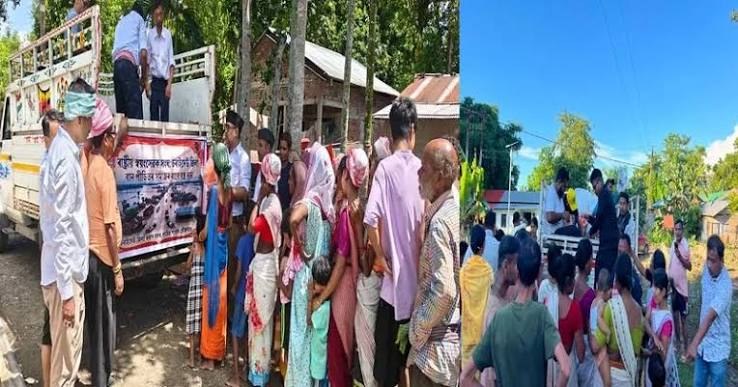 | Sivasagar, Assam · No. 18 RSS relief in eastern Assam: 2,000 swayamsevaks, 378 villages Swayamsevaks of the Rashtriya Swayamsevak Sangh (RSS) and Sangh-inspired organisations have been running rescue and relief programmes for flood-affected families across eastern Assam. Nearly 200 people were rescued by the swayamsevaks from villages including Kakati Gaon, No. 2 Konwar Gaon, Nepali Khuti, Bihubar and Chetia Koibarta under the Betbari area of Sivasagar district, and shifted to safer places. Stranded villagers in Sundar Pukhuri, Bamun Pukhuri, Geleki and Rajabari were served cooked food, clean drinking water, life-saving medicines, clothes and other essentials. In collaboration with the National Medicos Organization, the RSS has also conducted more than 50 medical camps across the flood-affected areas. So far, around 2,000 swayamsevaks have extended help to more than 40,000 families in 378 villages. | 40,000+families helped | 378villages | 50+medical camps |
| | 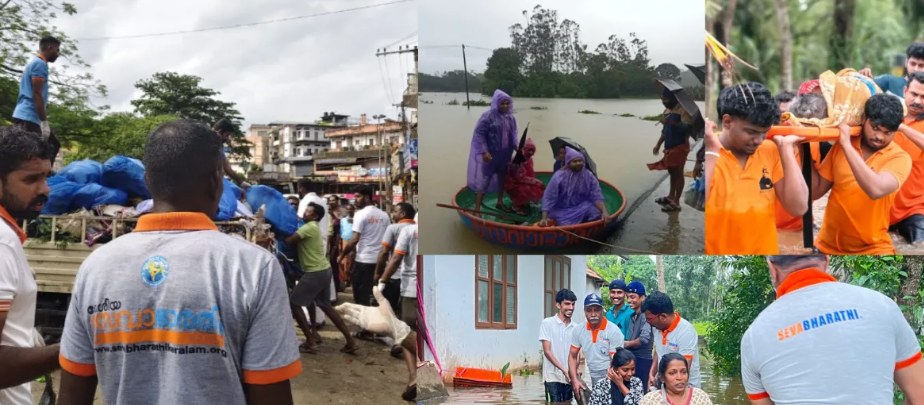 | Pathanamthitta, Kerala · No. 19 Seva Bharati in the flood-hit districts Volunteers are working across Pathanamthitta, Alappuzha, Kottayam, Malappuram, Kozhikode and Wayanad, where rising water has isolated whole communities. In Ranni, Aranmula, Upper Kuttanad, Edathua and Thalavady they have been evacuating people trapped in their homes, carrying food and drinking water to families stranded on upper floors, and transporting patients to hospital. As floodwaters receded in Ranni and Vadasserikkara, volunteers began cleaning flooded homes; where levels are still rising, distribution of food and drinking water continues. Several government-run relief camps are being managed with Seva Bharati's support, and community kitchens have been established to provide meals to those in need. | | विचार Vichar · Essay Beyond the Vedas Reimagining civic responsibility for modern times Justice AK Sikri, former Judge, Supreme Court of India | Dr Prachi Sharma, Senior Research Fellow, Bharat Ki Soch | 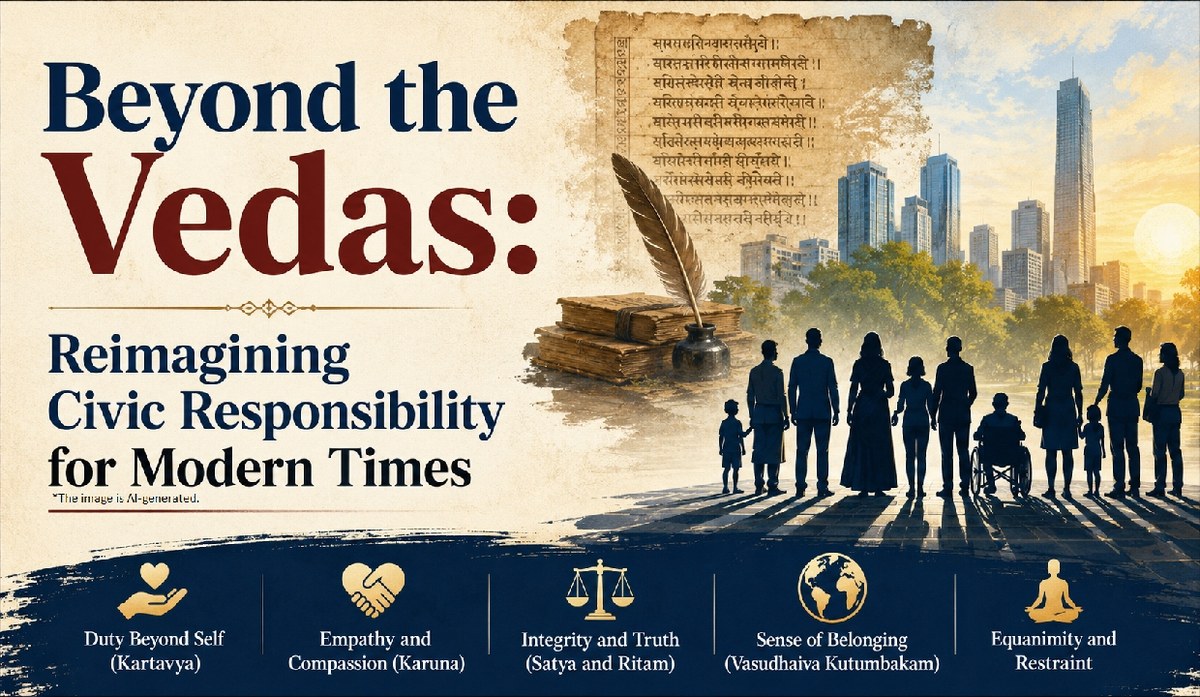 | Civic sense may be broadly understood as social ethics. It comprises the inherent discipline and the sense of responsibility that citizens must possess towards fellow human beings as well as towards their country, and it unequivocally forms the foundation of national development and progress. India at present is poised to become a world leader, with prominent economic growth, rapid infrastructure expansion and an increasing global presence. The next quantum leap, however, will be hastened by a transformation in the behaviour and attitudes of people with regard to civic responsibility. There are modern laws and institutions which regulate behaviour, but they cannot create the trust, empathy or self-restraint that comes from within. That can be described as "civic spirituality" — the consciousness that I am part of a larger whole, a city, a nation, humanity, and that my actions must reflect responsibility, compassion and integrity towards that whole. It is a bridge between inner values and outer citizenship. It can also be termed ethical discipline. | Ethical discipline transforms civic duty from a forced legal obligation into a deeply held personal conviction. |
Its dimensions include duty beyond self (kartavya), empathy and compassion (karuna), integrity and truth (satya and ritam), a sense of belonging (vasudhaiva kutumbakam), and equanimity and restraint. When we practise ethical discipline we inadvertently align our daily actions with moral principles like fairness, integrity and accountability, even without supervision — and that self-consciousness naturally makes one a more conscientious member of the community and the country. History The sixth century BCE in India witnessed the emergence of heterodox sects like Jainism and Buddhism, which challenged ritual authority and varna-based prescription. Their rigorous debates concerning nonviolence, karma and renunciation enriched the existing discourse, pluralizing what counted as righteous conduct. The Buddhist pancha-shila and the Jain anuvrata both translate moral discipline into everyday conduct, and their continuing importance lies not only in personal salvation within the religious domain but in the cultivation of citizens capable of trust, restraint and responsibility. Buddhism The pancha-shila, or five precepts, are the basic ethical commitments expected of lay Buddhists — the non-monastic practitioners who form the majority of the Buddhist community. They include abstaining from killing living beings, not taking what is not given, refraining from sexual misconduct, abstaining from false speech, and abstaining from intoxicants. The significance of these tenets transcends the ambit of personal virtue: each precept possesses a public dimension. Abstention from killing translates into respect for life, empathy for fellow humans and a rejection of cruelty; not stealing results in honesty in dealing with common resources; not lying turns into the defence of truthful public discourse; and avoiding intoxicants ensures responsible conduct. | | Hatred is never appeased by hatred in this world. By non-hatred alone is hatred appeased. This is a law eternal. |
Jainism Within the Jain framework, the anuvrata, or "small vows," serve a similar role for lay followers. These are moderate forms of the great vows (mahavrata) and include abstinence from violence, falsehood and stealing, along with contentment and the limiting of one's possessions. The primary moral imperative here is restraint. Jain ethics do not regard desire as benign: unbridled want is seen to have the potential to produce harm, possessiveness and exploitation. In a civic society such restraint is remarkably pertinent, because public life depends on an individual's ability to restrict self-interest for the larger common good. | | One may conquer thousands of unconquerable enemies in battle; but he who conquers his single self wins the ultimate victory. |
Why it matters now Both traditions converge on the same principle: a disciplined population forms the building blocks of a good society. We often find civic duties couched in legal language — following the law, paying taxes, safeguarding public property, respecting others' rights. But law on its own is not sufficient to sustain a robust nation. If citizens lie uninhibitedly, exploit resources without thinking, or engage in aggressive behaviour, institutions weaken from within. High rates of crime are not the only factor that threatens modern civic life. It is also endangered by indifference, misinformation, excessive consumption and the erosion of responsibility. The precept against false speech is especially important in the age of social media, where rumours and deliberate distortions tend to spread faster than facts — and can prove especially detrimental in health and wellness, where incorrect information on diets, medicines and treatment leads gullible people to serious harm. In a similar vein, the vow against taking what is not given speaks to corruption, bribery and the misuse of public assets, while the Jain principle of aparigraha is tremendously relevant in an epoch where consumerism is eclipsing rationality and leading to environmental strain. Both traditions drive home the fact that civic failure often begins with everyday moral neglect. | The state can enforce rules, but it cannot build character. Our ancient traditions can — by shaping conscience, and thereby conduct. |
These principles should not be understood as restrictive in a negative sense. They are enabling: imbibing them would facilitate smoother societal conditions in which cooperation between people is greatly enhanced. India's plural public life depends on people who can disagree without harbouring hatred, pursue ambition without exploiting the vulnerable, and seek progress while maintaining ethical balance. Civic duty is then not a burden imposed from outside but a form of moral participation — which makes pancha-shila and anuvrata especially valuable in education, community life and public service. Views presented are personal. First published in The Daily Pioneer —read the original article
Read the original article |  | Shri Vishwa Niketan P.O. Box 5728, S R T Nagar
“Vasudhaiva Kutumbakam” — the world is one family |
| Food for thought Like bubbles in the water, the worlds rise, exist and dissolve in the Supreme Self, which is the material cause and the prop of everything. — Adi Shankaracharya, Atma Bodha | Samvad संवाद · SM8010 · For private circulation only
Click for PDF YOUTUBE Blog
View in browser · Unsubscribe |
|